
Quest rooms, mini parks, one-off attractions — businesses where the sale and the use can happen at different times, with different people. A guest buys a ticket in the morning from one clerk and uses it in the evening, showing it to someone else entirely. RentOS has a separate mode for that — "Tickets": not a real-time launch, but an order that can be redeemed whenever.
An Order Instead of a Single Event
A cashier assembles an order from whatever the guest asks for — say, "two for the carousel, one for the quest" — and rings it up all at once. The guest gets a short order number. Each item inside the order is a separate ticket, and it's redeemed separately too: if an order had three carousel tickets and not everyone showed up at once, each one is redeemed as it gets used.
Prices — on the Asset Itself, Not a Blanket Zone Rate
Every attraction has its own set of price options: say, "Adult — 150," "Child — 100," "Discount — 0." The cashier just picks the right option when selling, instead of entering a price by hand. If prices change later, tickets already sold keep the price that was in effect at the moment of sale.
Redemption Can Be Turned On — or Left Off
If redemption is on, every ticket has a status — active, redeemed, expired, or voided — and it's visible who redeemed it and when. You can even set an expiration: a ticket that goes unused for N days will stop being active on its own.
If redemption is off — the "old-fashioned" way — the system just remembers what was sold, with no statuses or buttons. That's still useful: if a guest argues "I paid, and they're not letting me in," the order number always lets you pull up its contents and total. This mode can be toggled at any time — it has no effect on the money.
Revenue Is Counted at the Sale, Not at the Use
In results submission, a zone's calculated revenue is the sum of orders sold since the last submission, regardless of when the tickets will be (or already were) redeemed. This is deliberate: a ticket can be gifted or set aside for later — the moment of payment and the moment of the actual visit don't have to coincide, and revenue shouldn't "jump around" depending on when the guest finally used the ticket.
A Ticket Can Be Printed
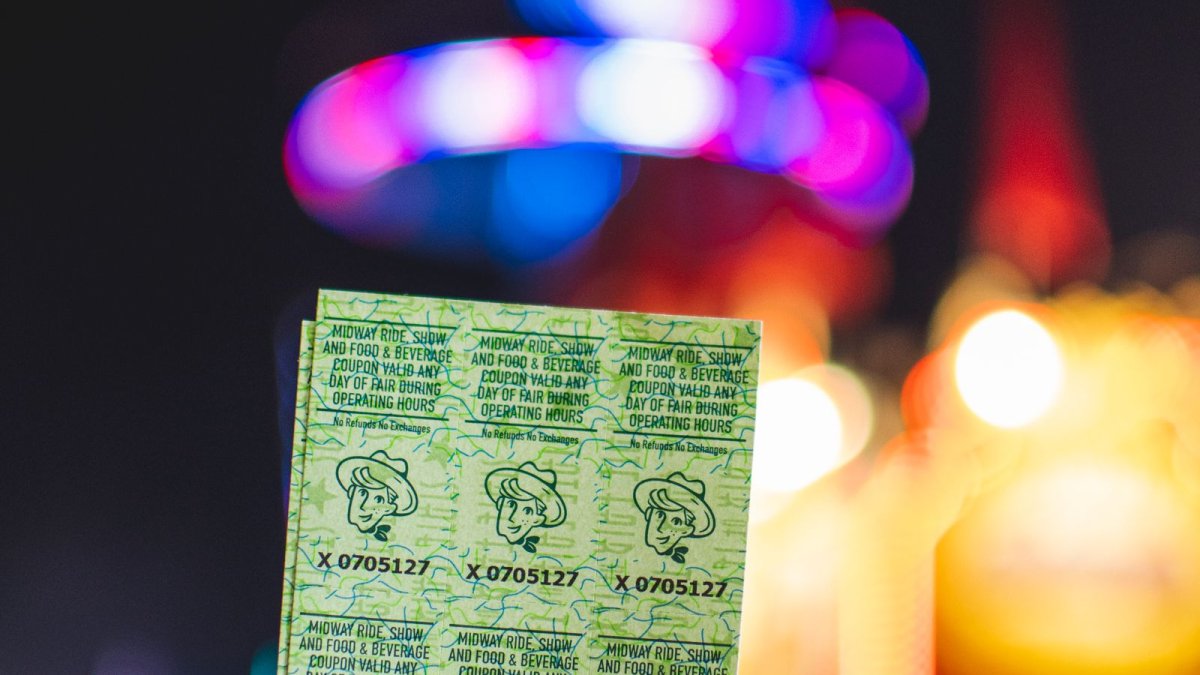
Every item in an order gets its own small printed ticket — order number, attraction name, price option, sale date, and expiration if one is set. Tickets can also be reprinted separately later, if a guest loses the first one.
Who It's For
"Tickets" main difference from the "Stays" and "Launches" modes is that there, the sale and the use are the same real-time event; here, they're split apart. It fits where a guest can buy a ticket in advance, get it as a gift, or use it later: quest rooms, one-off attractions, mini parks with several activities inside one point.
 Русский
  English
  Українська
  Italiano
  Română