

Revenue control in a small amusement park: how to do it without turnstiles
A city park with five rides doesn't need turnstiles or chip wristbands. We look at where the money leaks and how to plug both leaks — with tickets at the till and a counter-timer on the ride itself.

RentOS Overview: What's Inside the System
A full tour of RentOS: an accounting mode for every business format, products, a unified money journal, staff, a public storefront — and how to get started in five minutes.

RentOS in 15 Languages: Everyone Gets Their Own
RentOS's interface language isn't one shared setting for the whole business — every user switches it personally, choosing from 15 available languages.
Client Balance in RentOS: One Shared Wallet
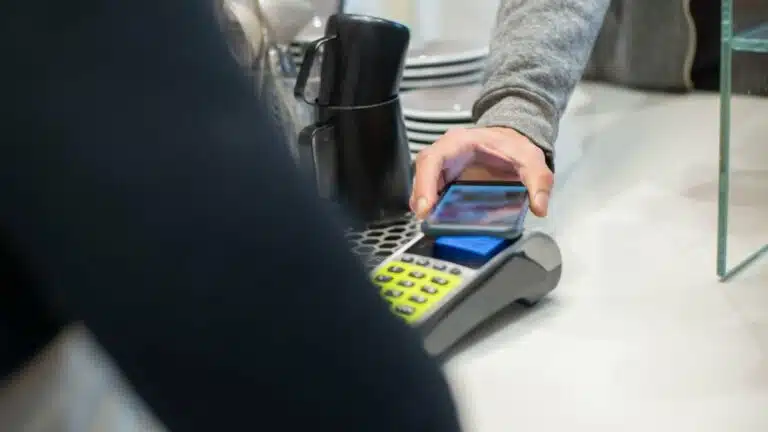
How the client balance works in RentOS: one wallet by phone number across every point, bonus top-ups, protection against going negative, and careful refunds.

Telegram Bot: Owner Summaries and Client Balance With No App Install
How the Owner gets summaries in Telegram with no token setup, and the client checks their balance with the "Share Number" button — plus a real security detail that protects it.

The "Launches" Mode: Rides With and Without a Timer — and Why It's Hard to Cheat
How RentOS Counts One-Off Rides: From Electric Cars to Trampolines "by Jump" — and Why It's Hard to Cheat

What "Free" Notebook Bookkeeping Really Costs You
A notebook and Excel don't cost anything at first glance, but the price is hidden in reconciliation time and unnoticed till discrepancies. How to estimate your real number.

How to Reconcile Revenue Across Multiple Points Without the Confusion
A second and third point multiply accounting problems: separate tills, honestly comparing points against each other, employee access limited to their own point.
Excel vs. a Rental Management System: When Spreadsheets Stop Cutting It
A spreadsheet works well for one point with one person at the till. We break down which signals mean a business has outgrown Excel, and why it isn't really about the spreadsheets themselves.

Seasonality in Kids' Rentals: How to Avoid Losing Money in the Off-Season
How to smooth out seasonal slumps in kids' rentals: indoor zones, an honest season-based payback calculation, flexible promotions, and staff planning.

Quest Rooms and Play Rooms: How the Business Model Differs
A play room sells time, a quest room sells a ticket to an event. A breakdown of the difference in business model and why it matters before you open.
Kids' VR Arcade: Is It Worth Opening
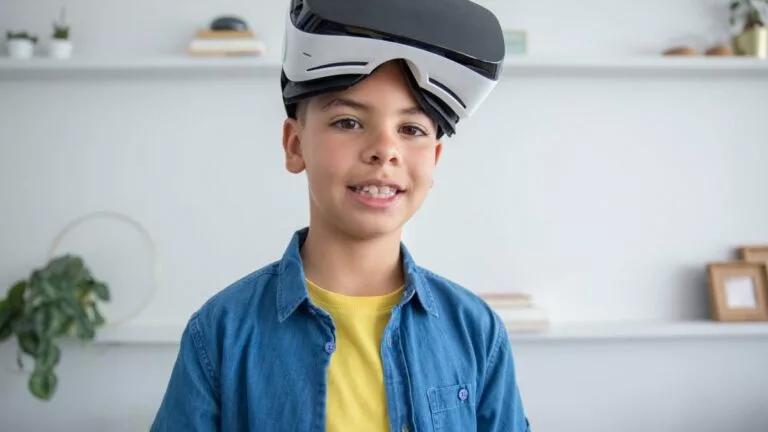
What to consider before opening a kids' VR zone: floor space for equipment, age restrictions, honest session tracking, and the employee's role.

Trampoline Center as a Business: Payback and Pitfalls
A look at a trampoline center as a business: age-based zone separation, seasonality, honest session tracking, and what really drives payback the most.

Tracking at a paid pool or a small water park: wristbands, time and cash without turnstiles
A small pool or water park needs no turnstiles and no chip wristbands. We look at where the money leaks — entry, time in the water, rentals and the snack bar — and how to close each gap.

How to Start an Electric Car Rental
How to start an electric car rental: venue and track, choosing equipment, counter-based ride tracking, staff and seasonality — a practical breakdown.
A Task Board for Multiple Rental Points
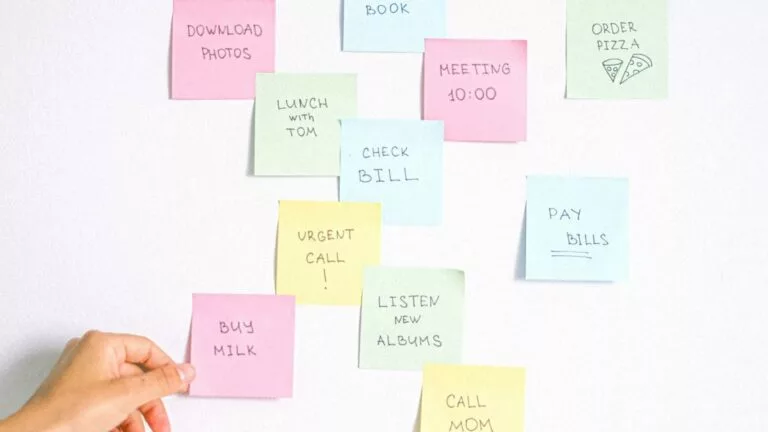
A simple task board for a rental point: three statuses, assignment to employees and a push notification on creation — without the weight of a task tracker.

A Free, Self-Updating Website for Your Rental Point
A public business page that assembles itself from the dashboard's data: prices, points, working hours, a live "open today" status, and its own visit statistics.

Electronic Signed Instructions: Taking the Legal Headache Off the Owner's Shoulders
How a public signature page records employees' acknowledgment of safety training: reading time, text versions, a ready-made PDF for every signature.

Shifts, Rates, Advances: Automating Employee Payroll
How RentOS tracks shifts, per-minute rates, advances checked against the till balance, and a running payout balance — with no separate spreadsheet for payroll.
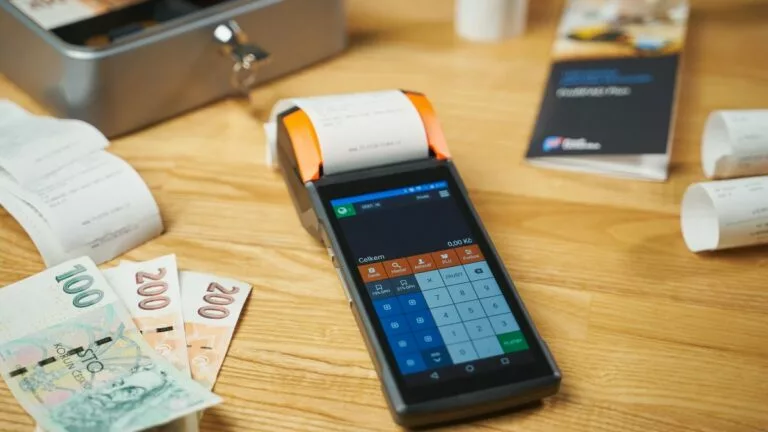
One Journal for Everything: How the Till, Collections, and Expenses Reconcile
How every module in RentOS writes to one shared money journal: per-zone tills, a point's overall balance, collections, and expenses with no manual reconciliation.
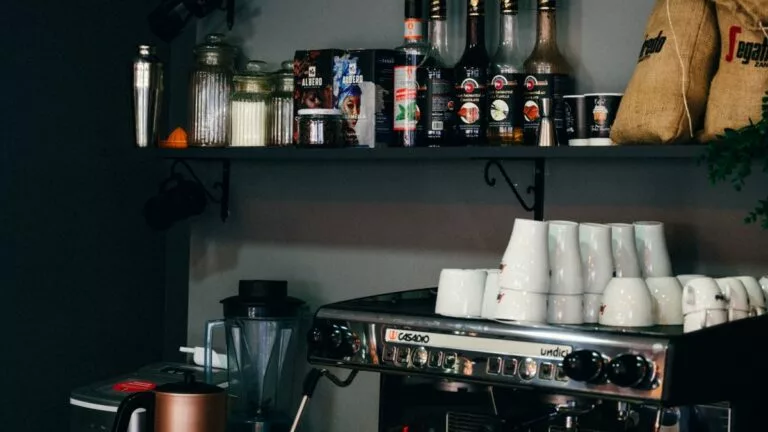
Not Just Rentals: Selling Side Products and Tracking Stock
How RentOS sells side products at a rental point: soft stock levels with revisions, deferred orders, and a separate till reconciliation not tied to shifts.
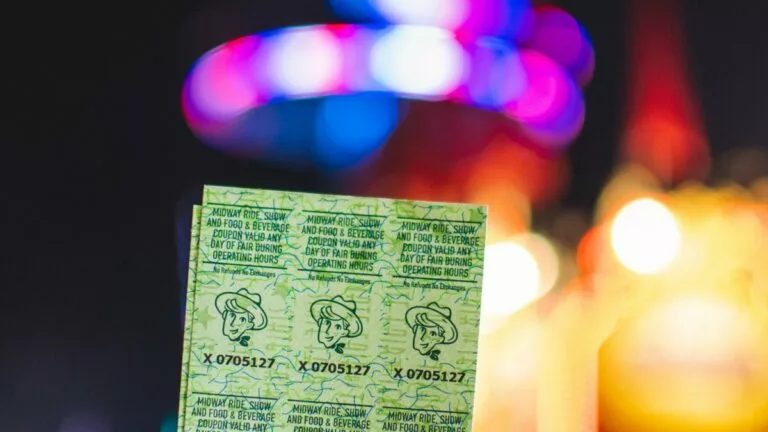
Selling Tickets With No Time Constraint: How It Works
How ticket tracking works: orders with a short number, prices set on the asset, optional redemption, and revenue counted at the sale, not at the use.
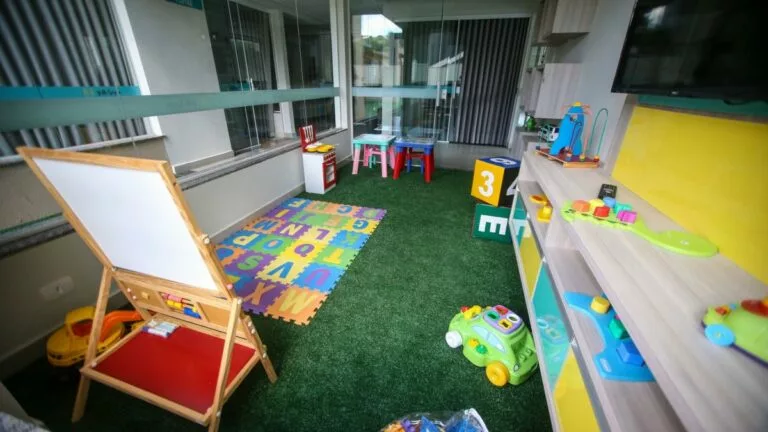
Time Tracking: How It Works in Play Rooms and VR Clubs
How RentOS calculates revenue for time spent: numbered wristbands, real-time start/stop, and "Per Entry" and "Per Fact" rates.

Counter-Based Rentals: How It Works and Why It's More Reliable Than Taking Someone's Word
How revenue is calculated for electric car and quad bike rentals from counter readings, what tap-based tracking is, and why a till discrepancy shows up right away.

Employee Theft at the Till: How It Happens and How to Stop It
How to catch employee theft at the till in rentals: counter readings, real-time launches, and tickets as objective witnesses instead of taking someone's word for it.

Keren Center: After-School Care, Quest Rooms, and a Coffee Bar in One System
Case study: how a kids' center combines after-school care, quest rooms and a coffee bar in one system — three different logics, one shared daily till.
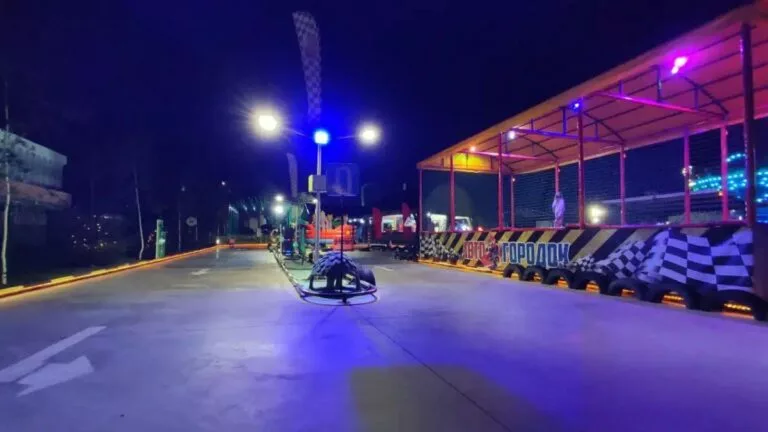
KidsBurg: Electric Cars, Trampolines, and VR in One Park
How an entertainment park tracks electric cars, trampolines, and a VR zone in RentOS — from counter readings to an automatic landing page with real photos.

Tracking a children's play room: software instead of a notebook
A children's play room is the most common format in shopping malls: a ball pit, a slide, a maze, a counter with popcorn. And the most common way of tracking it is a notebook: the child's name, the time of arrival, the amount. The notebook works while the owner stands at the counter in person. After that come losses that are almost impossible to spot afterwards. Let's look at exactly where they
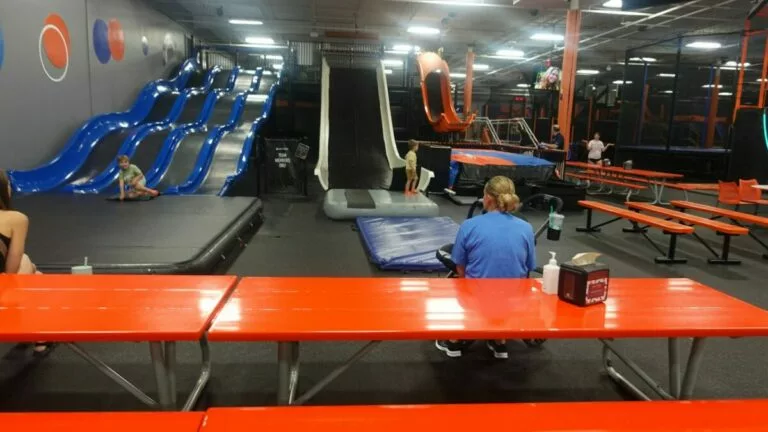
Trampoline park software: time tracking and the till
A trampoline park sells time, not entries. The guest pays for an hour of jumping, and the whole economics of the venue rests on how precisely that hour is counted. Ten minutes lost per guest is dozens of unpaid hours a month. Let's look at what a park needs on day one, what gets sold "for growth"

Software for tracking a children's ride-on car rental
A children's ride-on car rental looks like a simple business: five to ten cars, an employee at the counter, cash in a belt bag. While the owner stands at the point in person, a notebook is enough: count the money in the evening and the day is closed. Everything changes the day the owner leaves before closing. From that moment revenue is whatever number
 Русский
  English
  Українська
  Italiano
  Română